Archives: Community Developments

  • Supplementary education

    Supplementary
    Education
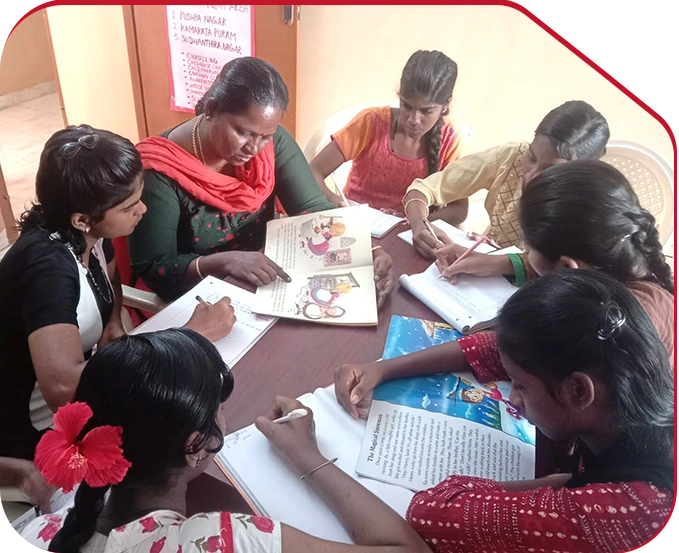
    Over the decades, the sisters have witnessed the devastating impact of poverty on children’s education and the long-term consequences of school dropouts in slum communities. Children living in Chennai’s urban slums face severe disadvantages in pursuing their education. Their parents are often daily wage earners or unemployed, with minimal education themselves, unable to guide or support their children’s learning needs. Many children return home to cramped, noisy environments where learning is impossible. Without tuition support or academic motivation, children fall behind in class, lose interest, and eventually drop out.

    Girls are particularly vulnerable, often pushed into household chores or early marriage. Boys, on the other hand, are at risk of child labour and anti-social influences.

    The lack of community-based academic support structures for these children leaves them without hope or direction.

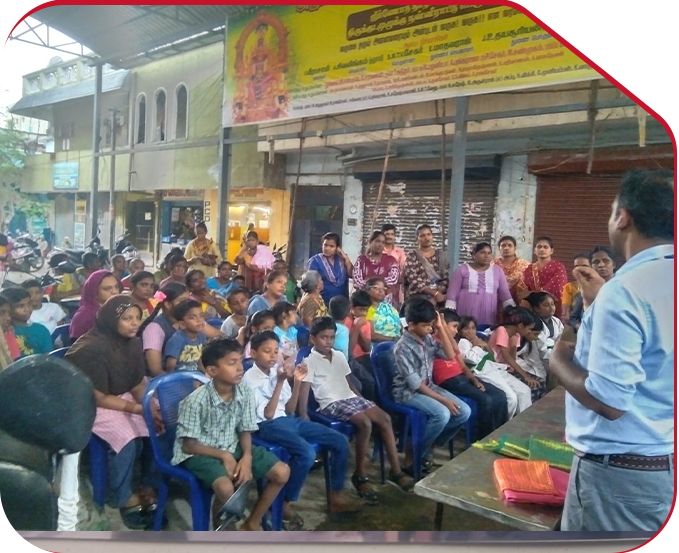
    To address this issue, Mottukal has established 10 Supplementary Education Centres in slum areas of Chennai, supporting around 500 vulnerable children with academic reinforcement, mentoring, and life skills education—aimed at reducing dropouts and continuing education.

  • Social-emotional programs

    Social-Emotional Programs

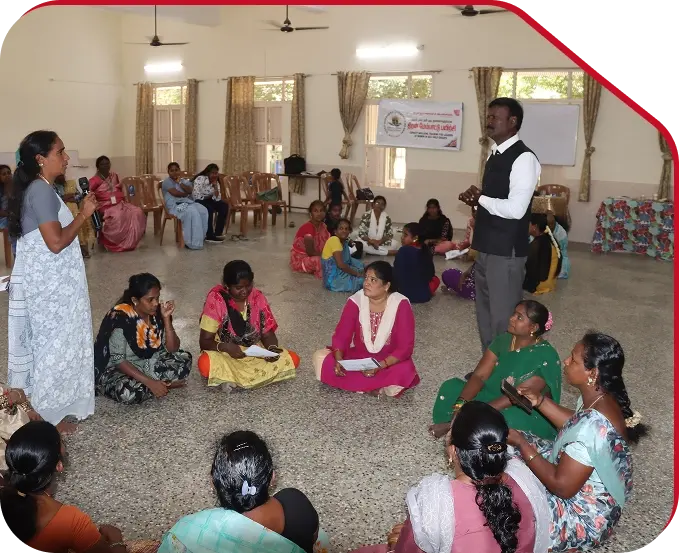
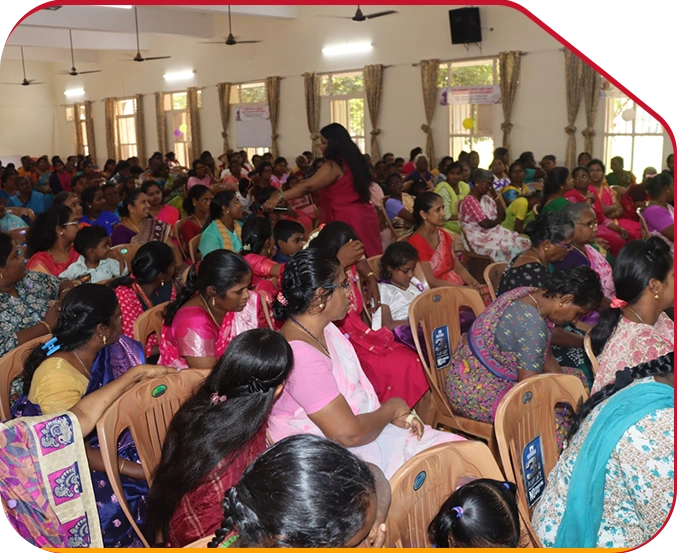
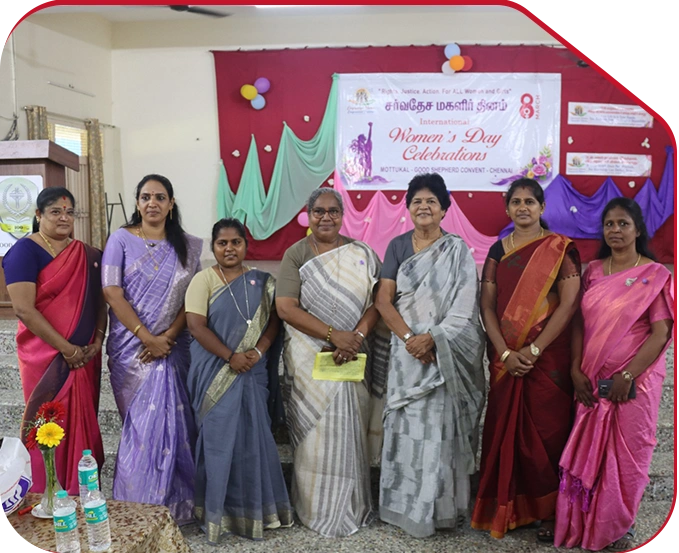
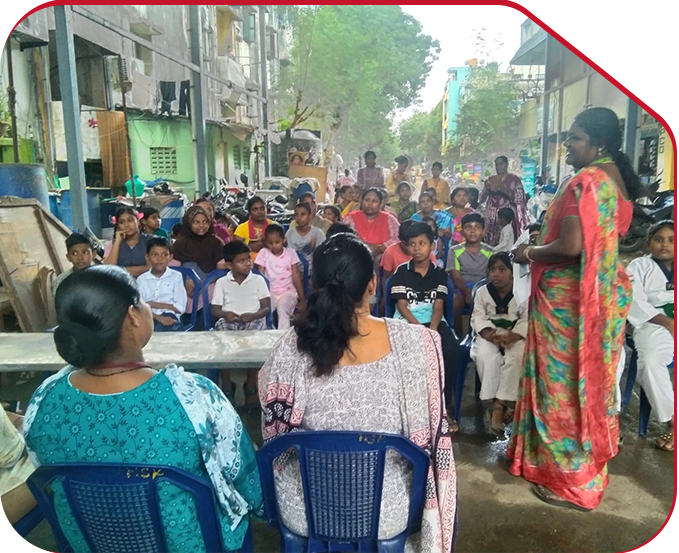
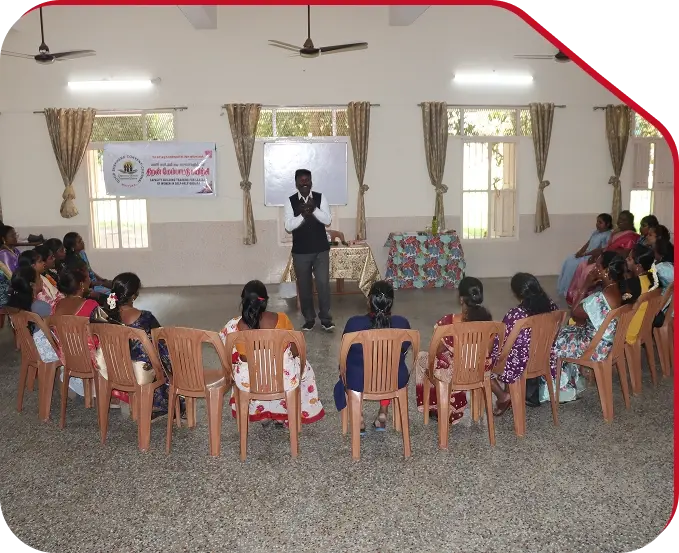
    The awareness programs on social issues that affect children, important national and international days, lifeskills and leadership trainings, career guidance to go beyond academics and focus on the “whole person”—helping individual children in the supplementary education centers as well as adults in the community to understand themselves, connect with others, and handle challenges effectively. Over the years more than 1256 adolescent children participated in SEL programs.

  • Better living conditions

    Better Living Conditions

    Promotion of Better Living Condition

    The Sisters of the Good Shepherd, in collaboration with their Partners-in-Mission, have conducted an in-depth empirical study assessing the housing needs of impoverished families residing in the slum areas around Nungambakkam, Chennai (Greater Corporation). Our recent survey in 2025 reveals that many families live in severely dilapidated structures, prone to leaks, structural instability, and unsanitary conditions, posing significant risks to their health, safety, and overall well-being. We are on the path to transform the lives of these vulnerable families with the monetary support of individuals and organizations by,

  • Economic Justice

    Economic Justice

    Within the slums of Chennai, particularly in the areas around Nungambakkam, many women face extreme hardship. Widows, deserted women, single mothers, and women with multiple dependents are among the most vulnerable. With little access to education, employment, or financial resources, they are often pushed into exploitative or irregular work simply to survive, trapped in a cycle of poverty, insecurity, and emotional distress.

    Field assessments by the Sisters’ team across 10 slum communities identified 250 such women in urgent need of structured economic support. As primary breadwinners, they shoulder the responsibility of caring for young children, elderly parents, and sick dependents. Their stories echo silent suffering—the pain of exclusion, the struggle for survival, and the yearning to secure a dignified future for their families.

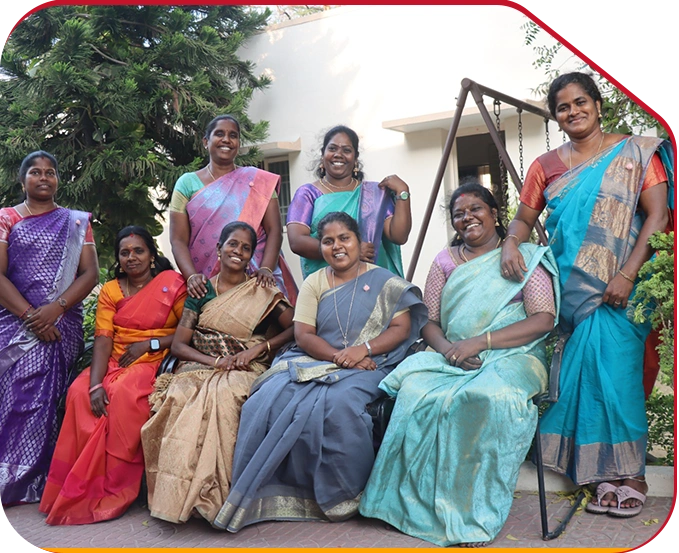
    This project responds to that urgent need by focusing on dignity, livelihood, and hope. Through the formation of self-help groups and livelihood support initiatives, Mottukal is committed to empowering these women to break the cycle of poverty and reclaim control over their lives

  • Advocacy & Lobbying

    Advocacy & Lobbying

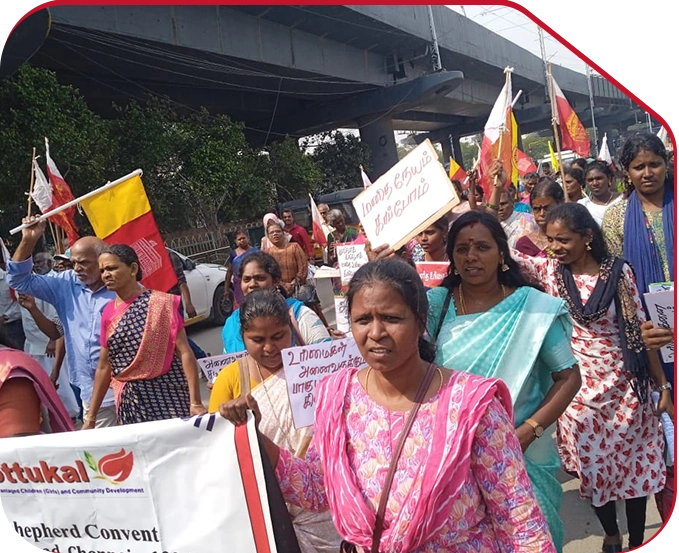
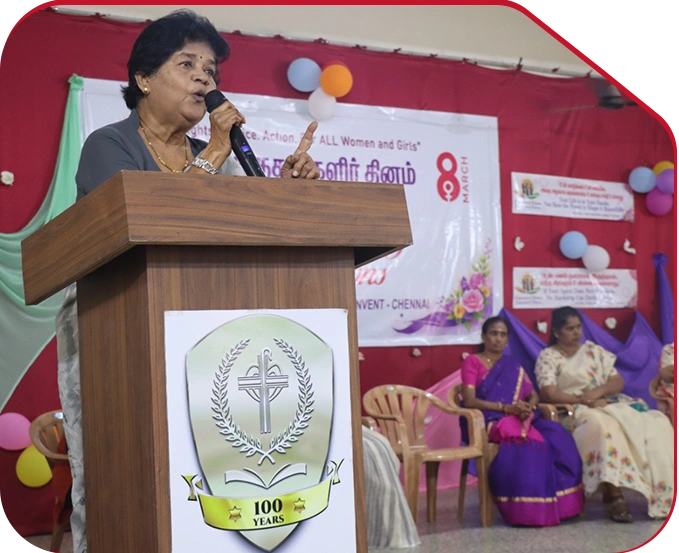
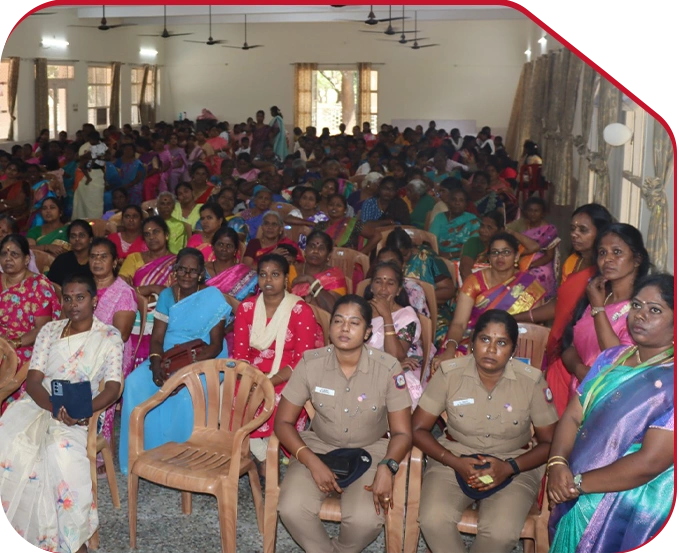
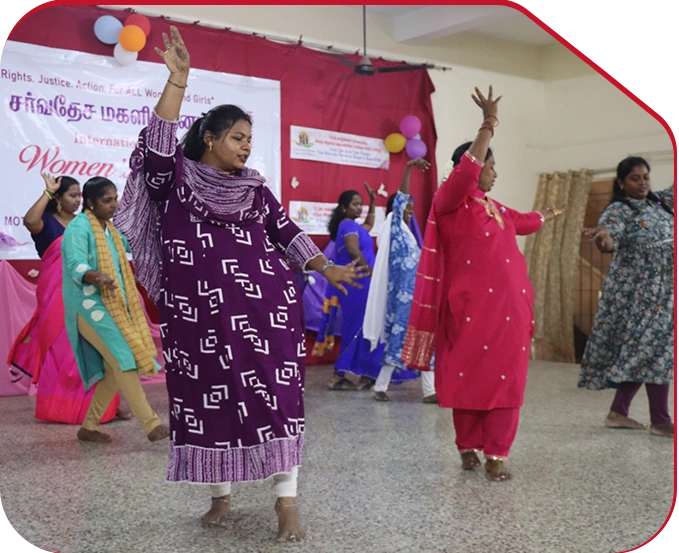
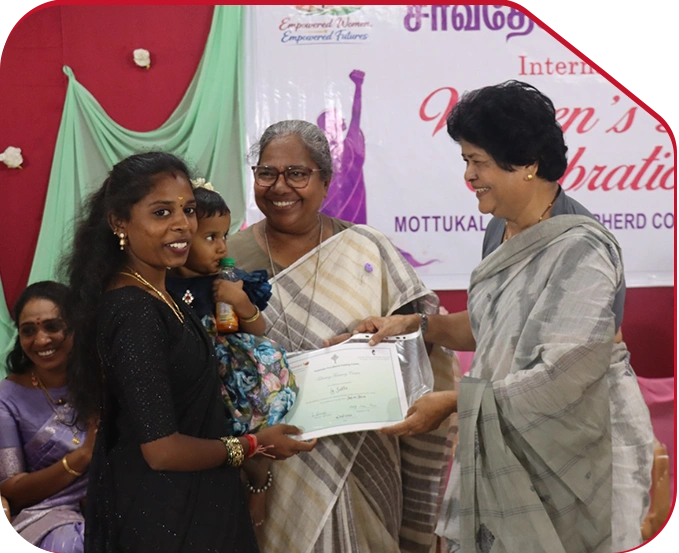
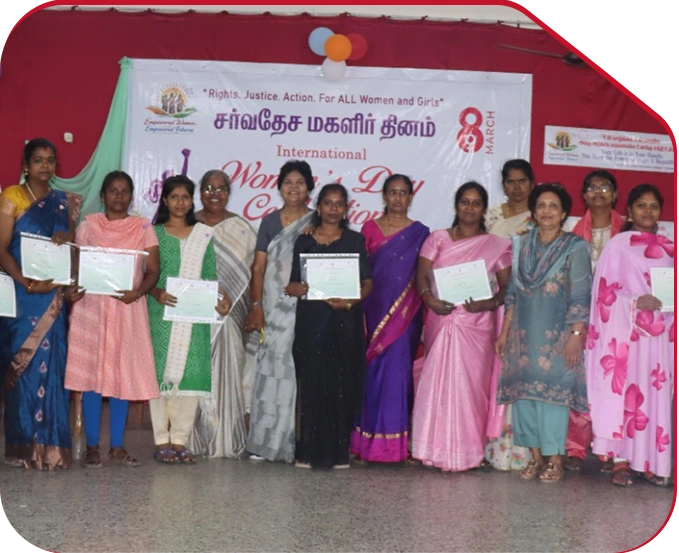
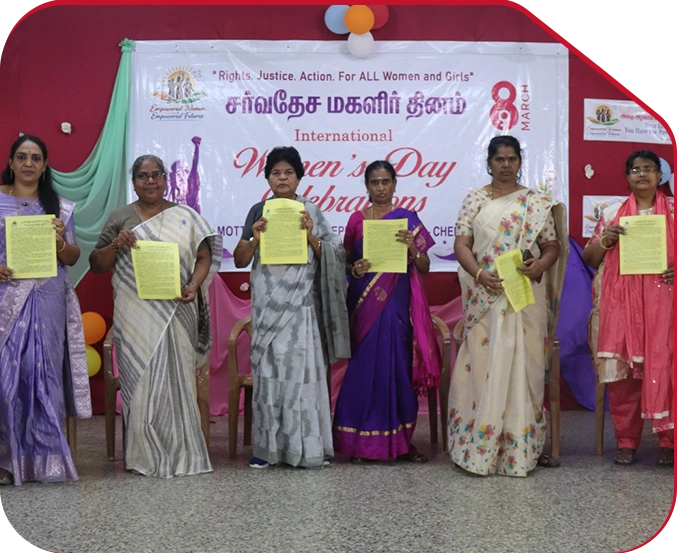
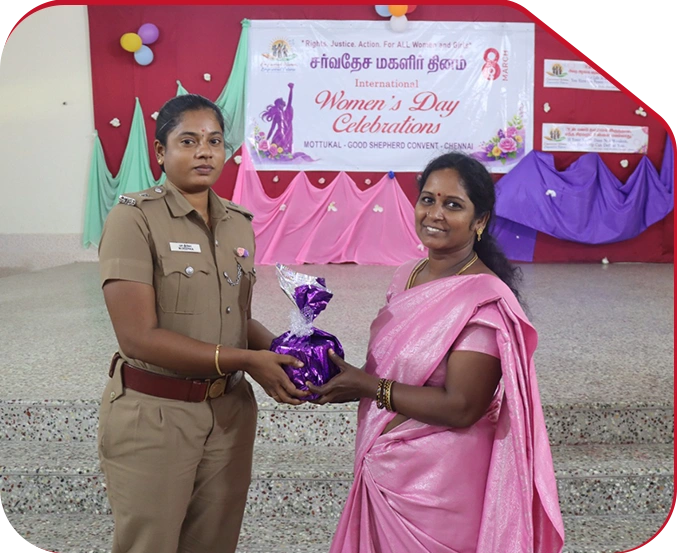
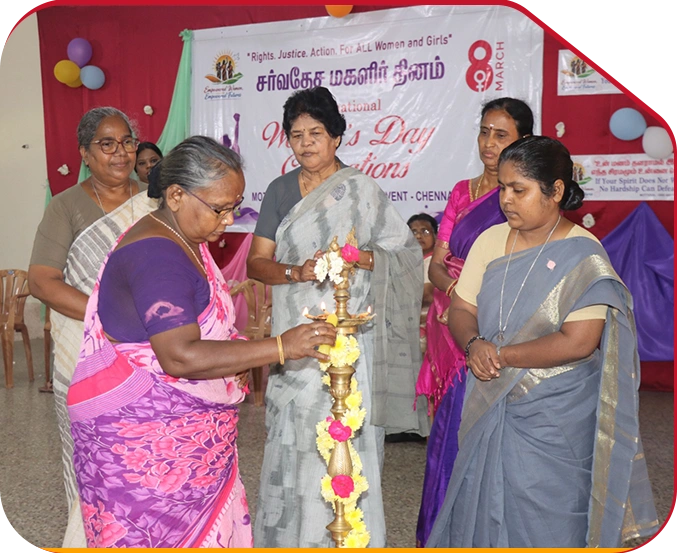
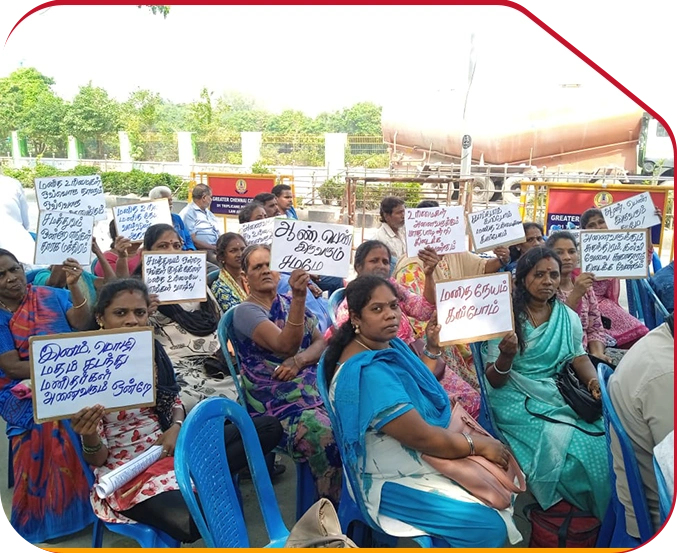
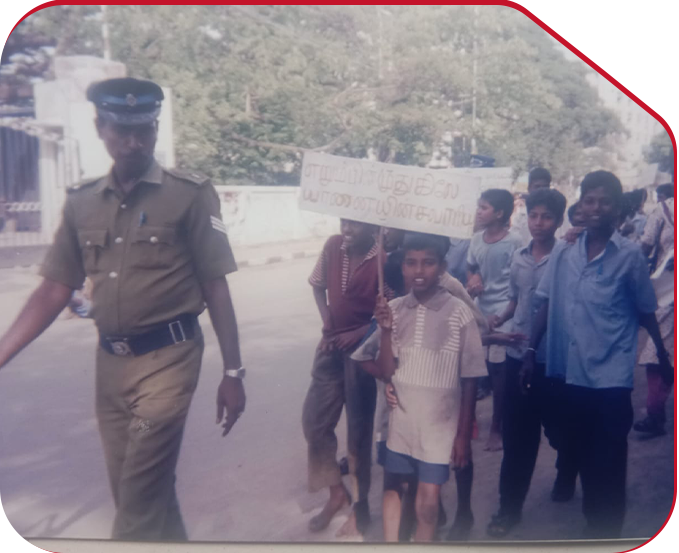
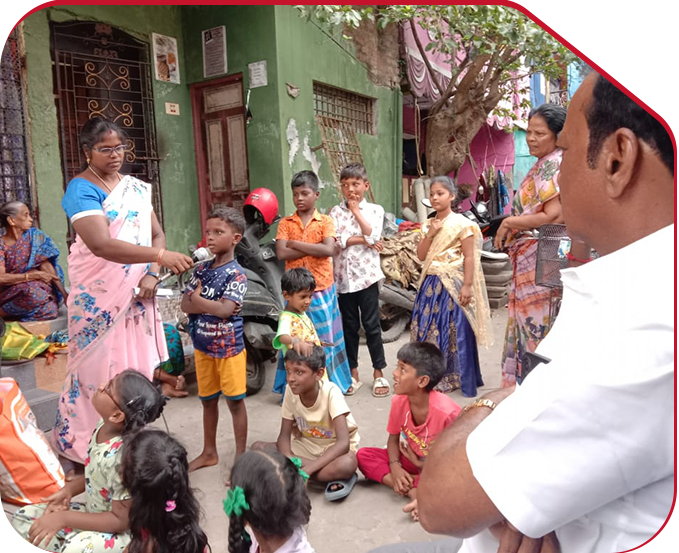
    Advocacy and lobbying in community development are vital tools to bring about positive social change. Mottukal focuses on raising awareness on various issues that prevail in the target areas such as child marriage, child labour, anti-social influences, environmental hygiene, safe online, and child rights and women rights. It strives to amplify the voices of marginalized groups, and promote policies that protect their rights and well-being. On the other hand through Lobbying, involves engaging with decision-makers and stakeholders to influence laws, policies, and resource allocation in favor of the community. Together, they empower people to participate in governance, ensure accountability, and create sustainable solutions that address the real needs of the community.